Institutional investors are amplifying their demands for greater accountability from global energy giants over their poor sustainability records. In an extraordinary 24-hour period, three major oil companies faced significant public scrutiny and calls for reform.
- ExxonMobil endured backlash at its AGM from institutional investors who pushed for a more diverse board capable of embracing the realities of sustainability.
- Shell was ordered by a Dutch court to reduce its carbon footprint by 45% this decade. The court ruled that Shell’s actions were insufficient to uphold human rights and meet the goals of the 2015 Paris climate agreement.
- Chevron faced pressure from a majority of shareholders demanding substantial reductions in its Scope 3 emissions.

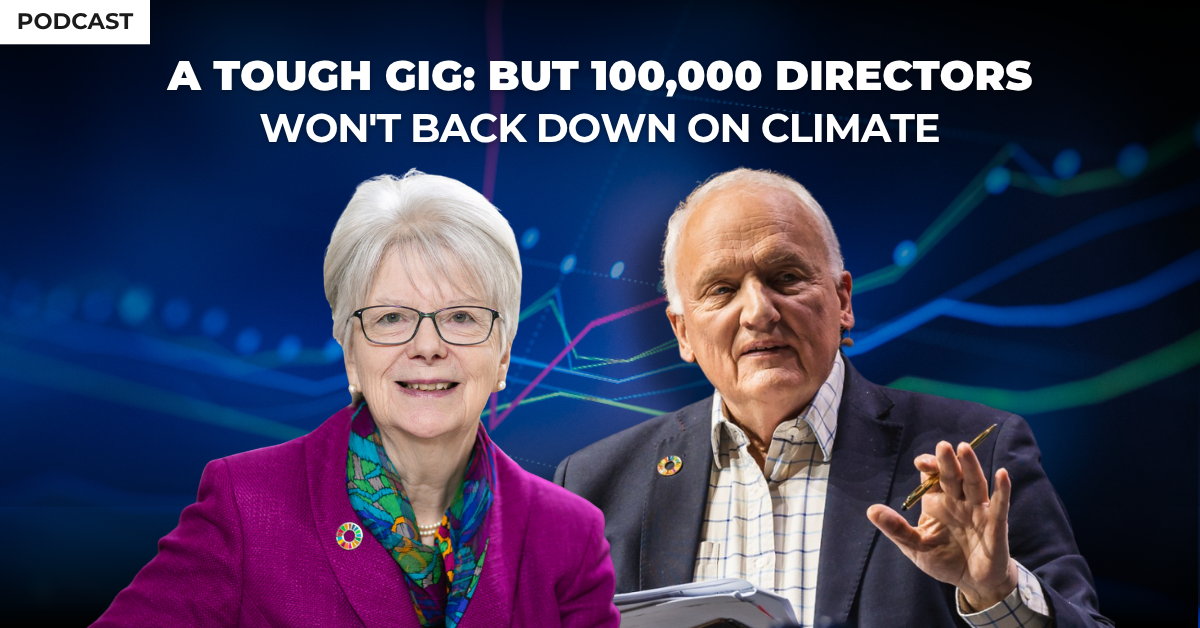
What’s driving this wave of institutional pressure? Below, Sonja Laud, Chief Investment Officer at Legal & General Investment Management (L&G), explains the critical role investors are playing in reshaping the oil industry’s future. Her remarks, made during the BBC’s Today programme on 26 May 2021, are lightly edited for clarity.
The Climate Impact Pledge: A Framework for Accountability
According to Laud, Exxon’s recent AGM vote aligns with L&G’s long-standing Climate Impact Pledge—a principles-based framework aimed at fostering best practices and high standards. This initiative focuses on the world’s 1,000 largest companies and uses both voting power and potential divestment sanctions to encourage meaningful change.
“We are pushing both leaders and laggards to do more,” Laud stated. She emphasized that engagement is key, adding, “It’s not just about identifying issues. It’s about working with companies to ensure they implement appropriate measures and deliver positive changes.”
Addressing Exxon’s Challenges
L&G believes Exxon’s board requires a refresh to meet the challenges of sustainability. Laud voiced strong support for the new board members proposed by activist investor Engine No. 1, noting their experience and skills could bring much-needed expertise and accountability.
“We feel these individuals will provide the right level of challenge and experience to drive change at Exxon,” Laud explained.
A Shift in U.S. Climate Policy
Laud acknowledged Exxon’s historical resistance to investor concerns about climate change. However, she pointed to a broader shift in the U.S. under the Biden administration, which rejoined the Paris climate accord after the Trump administration’s withdrawal.
While some U.S. companies have made strides toward tackling climate issues, Laud highlighted the stark disparities within the oil sector. “There’s a wide spectrum, from companies with no carbon disclosure to those with comprehensive net-zero targets embedded across their operations,” she said.
A Call for Industry Comparisons
L&G’s approach ensures oil companies are compared against their peers, allowing for a fair and focused assessment of progress within the sector. “We want to make sure we understand the global problem statement and have actionable answers,” Laud concluded.
This week’s developments underscore the growing influence of institutional investors in driving meaningful climate action—a trend that will continue reshaping the energy industry for years to come.