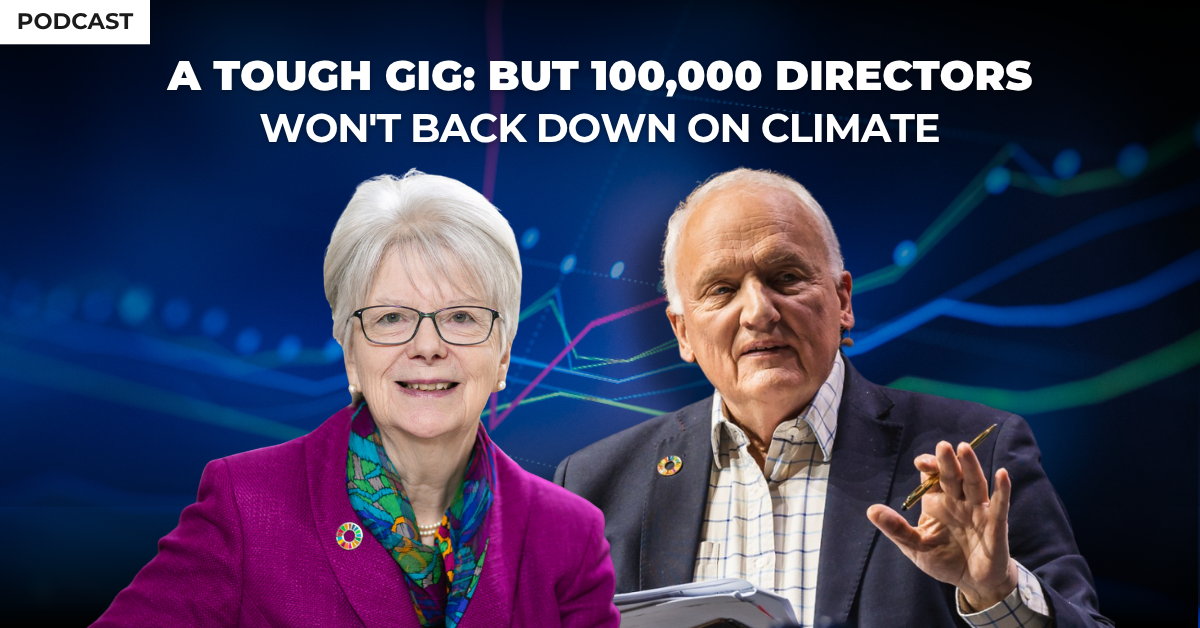
From the University of Exeter, where more than 1,500 researchers and leaders have gathered to explore one of the most critical ideas in climate science: positive tipping points.
The Global Tipping Points conference marks a turning point in how we think about communicating climate change. At the centre of the event is Professor Tim Lenton’s new book, Positive Tipping Points. It is a timely response to the often bleak climate narrative.
The message from Lenton and other leaders, including Johan Rockström of the Potsdam Institute, is clear: positive tipping points are possible. History shows that rapid change is achievable.
One key example raised by Johan Rockström reminds us that tipping points can be positive. He pointed to the successful global response to the ozone hole. Once considered a permanent loss, the ozone layer is now on track to fully recover by 2066. A reminder that coordinated international action can work.
Coming just days after the excellent London Climate Action Week, this gathering in Exeter builds on the same sense of momentum. Far from resignation or despair, the mood is one of realism and determination. New data, clear science, and growing collaboration. There is now a serious push to shift the narrative from breakdown to breakthrough.